IKEA Hack: How Companies Sell Doors for IKEA Cabinets
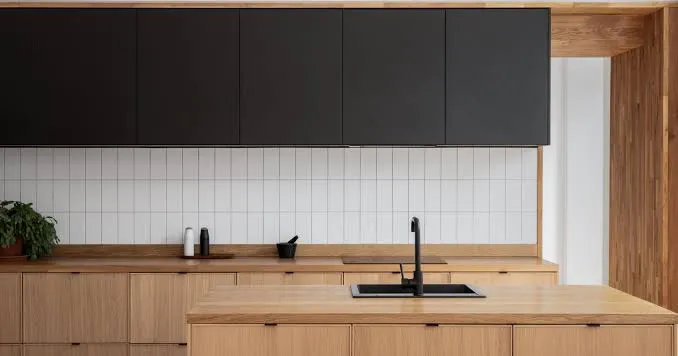
If you run a cabinet front business, build custom furniture, or are thinking about starting a replacement door company, you have probably noticed the same trend: customers buy their cabinet boxes from IKEA and get the doors somewhere else. What started as a DIY trick known as the IKEA hack has grown into a real industry, with dozens of companies building their entire business on selling custom fronts for IKEA cabinets.
Here are five things that explain how this business model works, and what it takes to run it well.
1. The IKEA Hack Business Model
IKEA sells millions of kitchens, wardrobes, and storage units every year, all built on standardized cabinet systems: METOD kitchens, PAX wardrobes, and BESTÅ media units. The boxes are affordable, sturdy, and available almost everywhere. The fronts, however, are where IKEA keeps things simple, offering a limited range of styles and colors designed for mass appeal.
That gap created a market. Companies like Superfront in Sweden, Semihandmade in the US, amadlo in Baltics and Plum in France sell doors, drawer fronts, and panels designed to fit IKEA carcasses exactly. The customer gets IKEA's price and logistics on the boxes, plus a designer look on the surfaces people actually see.
Why the model works:
- IKEA handles the boxes, delivery, and assembly instructions
- The fronts company captures the profitable, design driven part of the purchase
- Customers get a custom kitchen at a fraction of the traditional price
2. Standard Sizes, Custom Everything Else
The genius of the model is that IKEA did the hard standardization work already. A METOD door comes in known dimensions. PAX doors follow fixed heights and widths. Hinge holes follow predictable drilling patterns. Any workshop with a CNC machine can produce fronts that fit, without ever measuring a customer's kitchen.
Fronts companies compete on everything else: painted MDF in any RAL color, natural or stained oak veneer, linoleum, plywood edges, integrated handles, and fluted glass. The product range is standard where it needs to be and custom where it creates value.
What this means in practice:
- Predictable engineering, since dimensions and drilling are fixed by IKEA
- Unlimited room to differentiate on material, color, finish, and edge detail
- A product catalog that scales without custom measurement work
3. Made to Order Economics
Almost no one in this industry stocks finished doors. Every order is produced after the customer pays, usually with a lead time of two to five weeks. That brings real advantages: no warehouse full of finished goods, no guessing which colors will sell, and no dead inventory when trends shift.
But made to order cuts both ways. Every order is a unique combination of size, material, color, and options. A single kitchen can involve thirty different fronts across ten sizes. One wrong dimension reaches production and the margin on that order is gone.
The economics in short:
- Higher margins than stock furniture, because customers pay for exactly what they want
- Minimal inventory risk and no unsold finished goods
- Total dependence on capturing specifications accurately, every time
4. The Quoting Bottleneck
This is where most fronts businesses struggle. A customer emails a list of IKEA cabinet codes or a rough sketch. Someone on the team translates it into door sizes, looks up prices per material and finish in a spreadsheet, adds special options by hand, and sends back a PDF quote. Days pass. The customer wants a different color and adds two drawer fronts. The spreadsheet gets updated. Another PDF goes out.
Meanwhile, that customer is browsing three competitors. Warm leads go cold waiting for a price, and every manual step is a chance for an error to slip through to production. Consider a fronts company receiving 30 quote requests a week. At 20 to 30 minutes per manual quote, that is up to 15 hours of staff time spent on calculations instead of production and customer service.
The cost of manual quoting:
- Slow responses that push warm leads toward competitors
- Errors that travel from email threads straight into production
- A hard ceiling on how many quotes a small team can handle
5. Selling Online with a Configurator
The companies growing fastest have solved this with online configurators. The customer picks a cabinet system, selects material and color, chooses dimensions, adds edge details or handles, and sees an accurate price instantly. No email thread, no waiting, no version five of a spreadsheet. The quote becomes an order, the deposit is paid online, and production receives a clean, structured specification.
What a configurator delivers:
- Instant, accurate prices based on your own pricing rules
- Orders captured day and night, including evenings and weekends
- Specs entered by the customer that flow straight to production
Start Selling IKEA Cabinet Doors Online with Fronts Form
The IKEA hack market keeps growing because the underlying logic is sound: standardized boxes plus custom fronts equals designer kitchens at accessible prices. The businesses that win are not just the ones with the nicest doors. They are the ones that make buying them effortless.
Fronts Form is a platform built for exactly this: configure, price, and sell custom cabinet doors online. Set up your door styles, materials, and pricing rules, and give your customers an online configurator that quotes and takes orders for you, 24/7.